Systems, documented end to end.
Legal AI workflows with their architecture, operating decisions, available evidence and failure modes exposed.
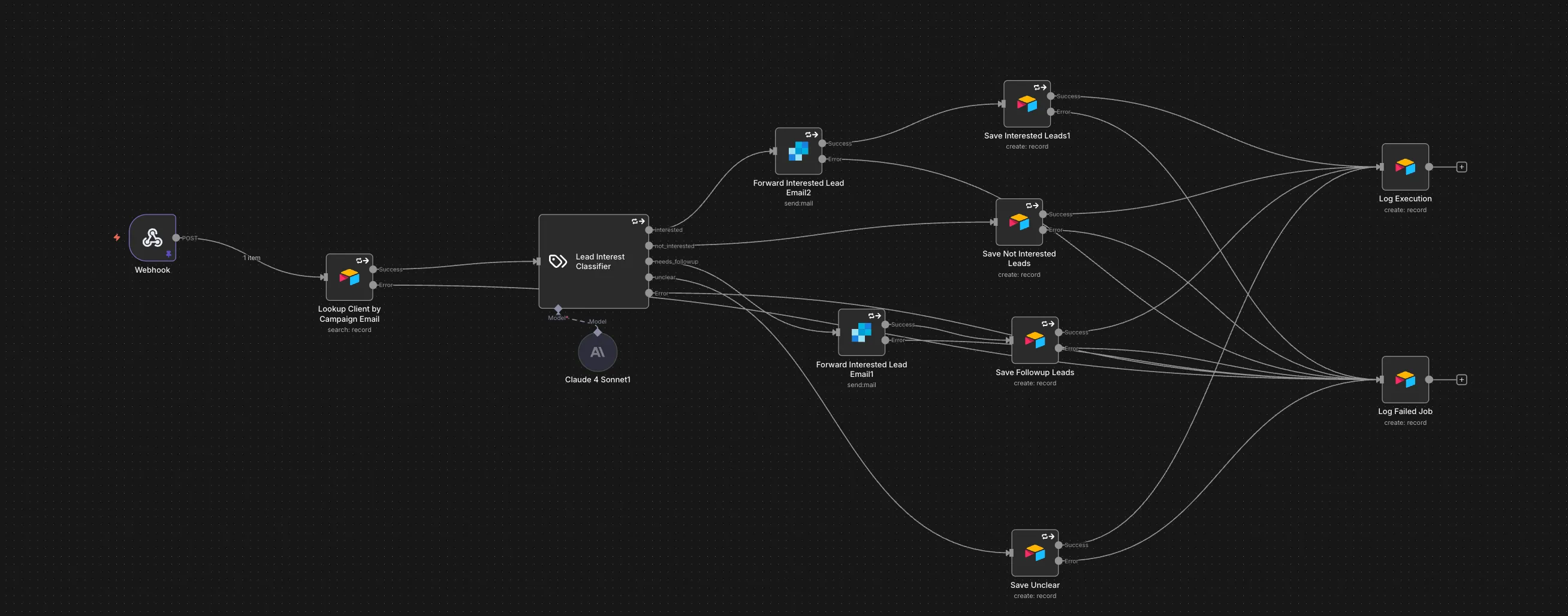
Reply triage and client routing
Every inbound reply read, classified by intent, routed to the right end client and logged — with a failure path that keeps a lost reply from being lost silently.
Featured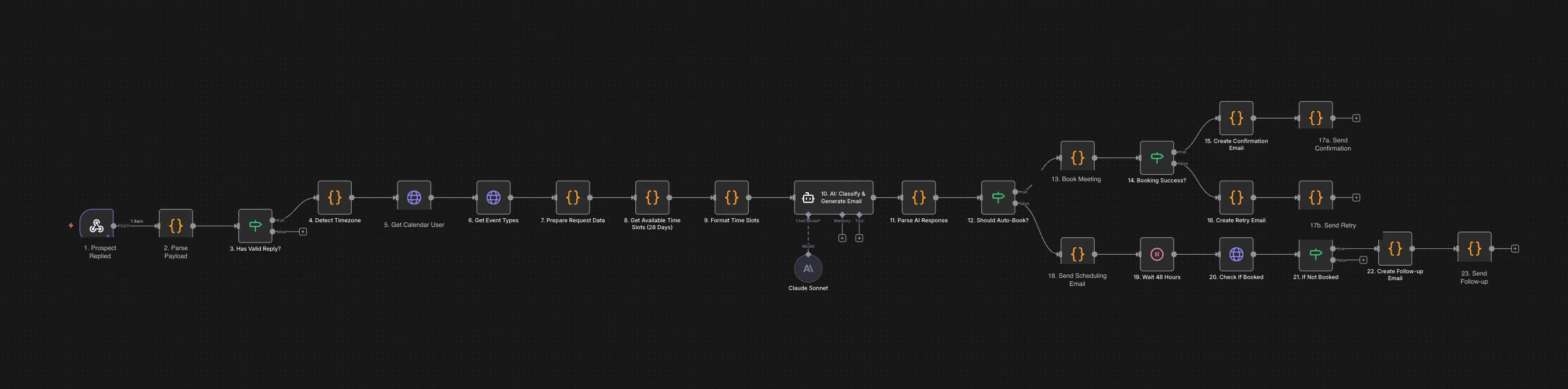
An agent that negotiates meeting times and books them
Reads the reply, infers the prospect's timezone, checks four weeks of real availability, writes in the account owner's voice, and books the meeting end to end.
Featured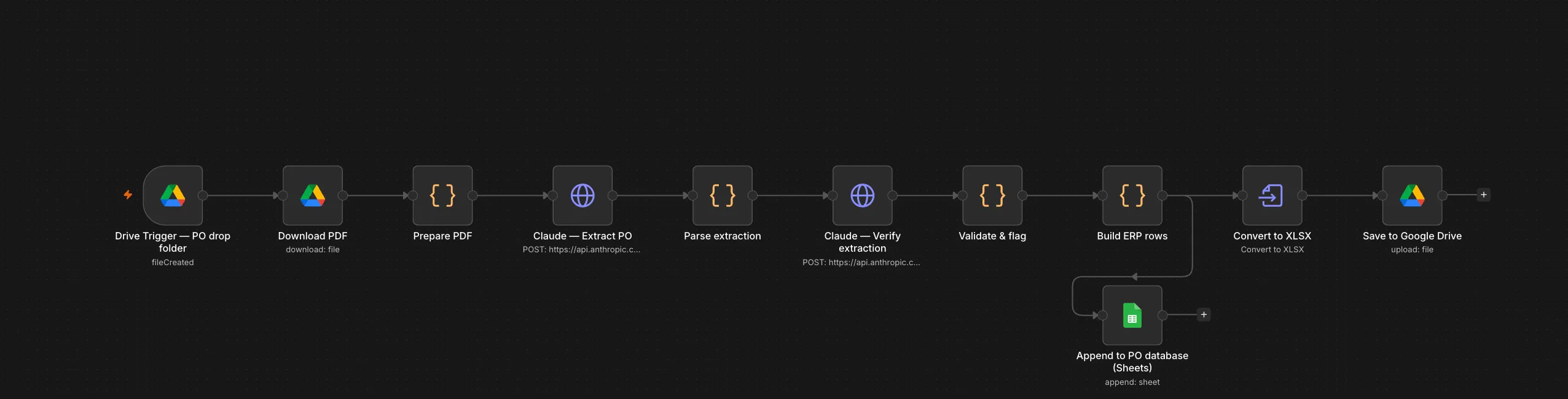
Two-pass extraction, where the second pass checks the first
A purchase order dropped in a folder comes out as validated rows — extracted by one model call, then checked by a second before anything is written.
FeaturedOne reporting layer across two platforms and every client account
Daily collection from two sending platforms with incompatible vocabularies, normalised at the edge into a single schema — which is what made any of the other numbers knowable.
Nothing matches that combination.
The failure sections make the work useful.
They show where controls need to sit, what changed after testing and what still needs evidence.